AI Together Member Spotlight: Terry Smith
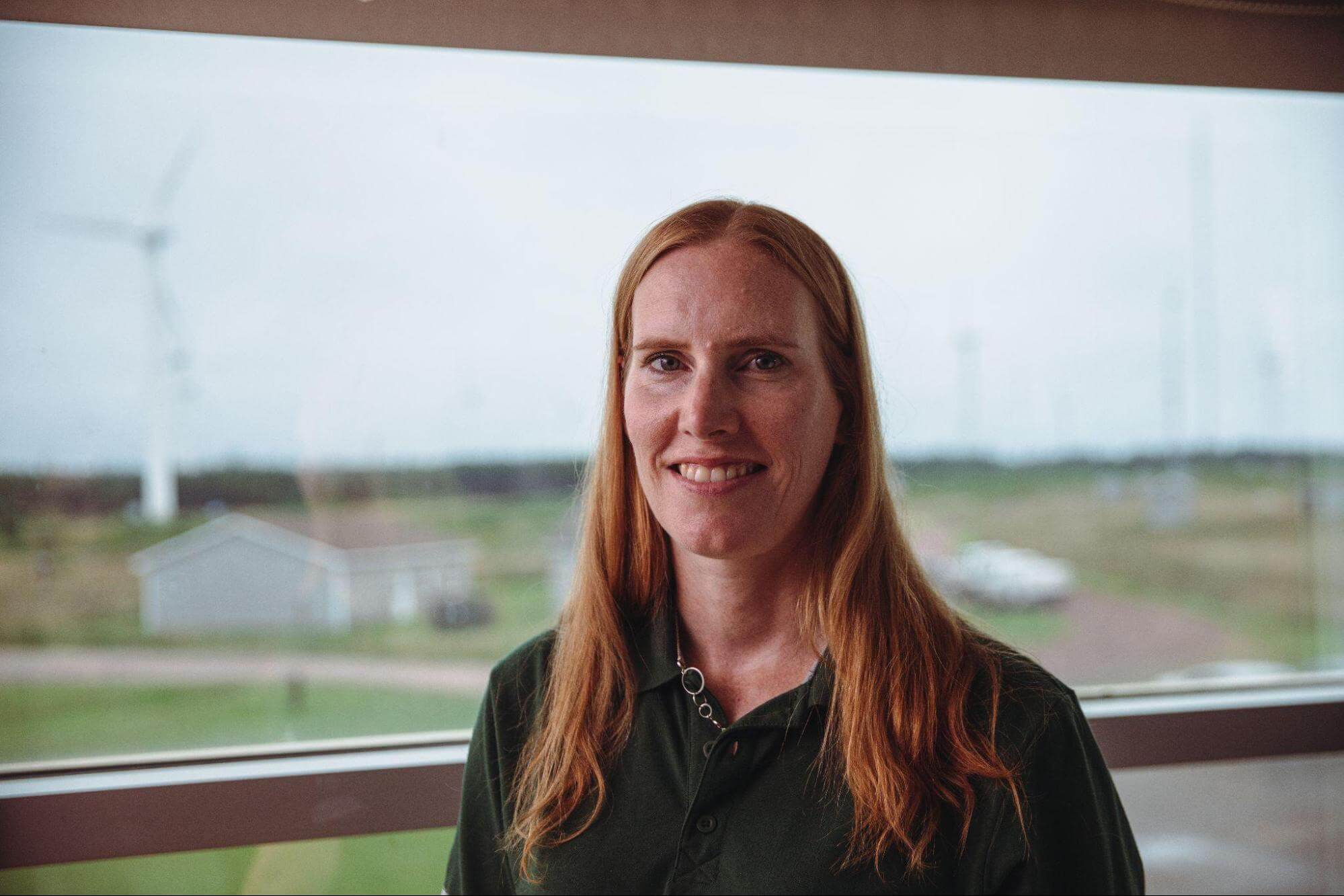
Terry Smith is a co-founder and CEO of Three Hippies Inc., the PEI company behind Locarius, an event ticketing platform for venues, independent artists, and community organizations. A regular presenter at AI Together, he has built more than 100 apps with Base44, from practical business tools to recreations of his favourite arcade games. Outside of work, he explores Island beaches and parks with his metal detector, helping reunite people with lost rings and family treasures.
Give us a quick intro: your role at Three Hippies, what Locarius does and who it's for, your PEI story, and what you get up to outside of work.
I’m a co-founder and the current CEO of Three Hippies Inc., and our primary product is Locarius, an event ticketing platform built for small- to medium-sized venues, independent artists, and community organizations. Its mission is to make ticketing transparent, fair, and simple, avoiding the hidden fees and impersonal systems common with large ticketing companies.
I moved to PEI in 1999, and prior to Three Hippies, I spent 20+ years working for notable Island companies in roles ranging from Director of Multimedia to Business Analyst, Project Manager, QA Analyst, and Director of QA. Since moving here, I’ve been involved in the Island Curling Community and Tae Kwon Do, and we've been a billet host family for the PEI Rocket/Charlottetown Islanders. In my spare time, you’ll find me in the park or on the beach with my metal detector.
What brought you to your first AI Together session, and what's kept you coming back? You've also presented several times, mostly on Base44 — what makes you want to get up and share, and what question do you get asked most often afterward?
I studied AI in the mid-to-late 90s in New Brunswick; Base44 and vibe coding, in general, have reignited my interest in the subject. I love the collaborative nature of The Foundry, and AI Together gave me the chance to share my experiences and hear how others are working with AI.
You've built more than 100 apps on Base44, enough that Base44 recognized you as a Specialist, without writing code — though you're no stranger to IT. How did that start, and which build was the one where you thought "this changes things"?
I had a particular app in mind when I first read about Base44 in June of 2025. I attempted to build this app in Lovable and Replit, but the app that Base44 created was closest to my vision. Even though I’m the only regular user, I still use that app weekly. The game-changing moment came when Anthropic launched Opus 4.5 in November 2025, and some of my favourite 80s arcade games that I tried to build earlier became very good clones, especially Cosmic Voyager. I now have my own vibe-coded collection of games that I used to play in my youth, and you can find them at IWMQB.
Some of those apps do real work at Three Hippies and some are pure weekend curiosity. Give us one of each: a business problem you solved with a build, and the most delightfully unnecessary thing you've made just because you could.
I’ve built a number of bespoke tools that I use internally at our company, and a few I built to do very specific jobs for customers. The tool I use most often replaces a SaaS product I used to rely on in my Quality Assurance roles; it lets me define test cases, organize them into test suites, run them, and track passes and failures. It works the way I work and saves us a monthly subscription fee.
Picking a favourite pet project is like asking which of your children you love most; I like most of what I’ve built while vibe coding, for different reasons. I am particularly fond of the look and feel of my Toronto Blue Jays fansite Statsbird, and it was almost completed in a single prompt.
Metal detecting means digging a lot of junk to find one ring. What's the AI equivalent for you — a false signal, an app that went nowhere, a wall you hit — and how do you decide when to keep digging and when to fill in the hole and move on?
Yeah, the little pull tab on top of an aluminum can responds much like a gold ring; if you are not digging them, you are probably missing the rings. The whole AI hallucination thing feels like that. I love the work AI produces; I don’t necessarily trust what it tells me, so I test. Then again, I tested software for a living, and I didn’t necessarily always trust what the software developers told me either 🙂
Tell us about a jewelry rescue that stuck with you. How do people find you, and what's it like to hand something back to its owner?
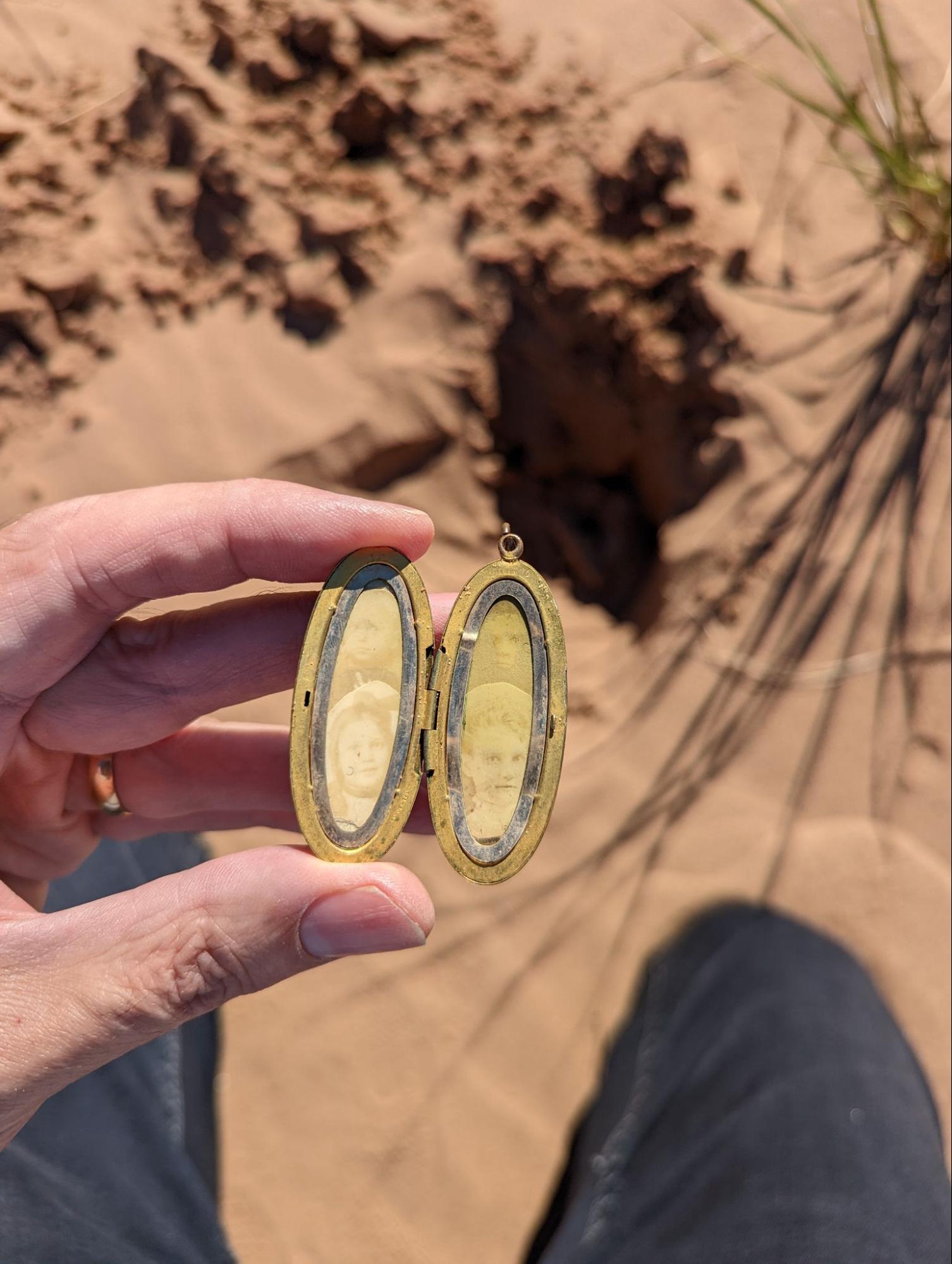
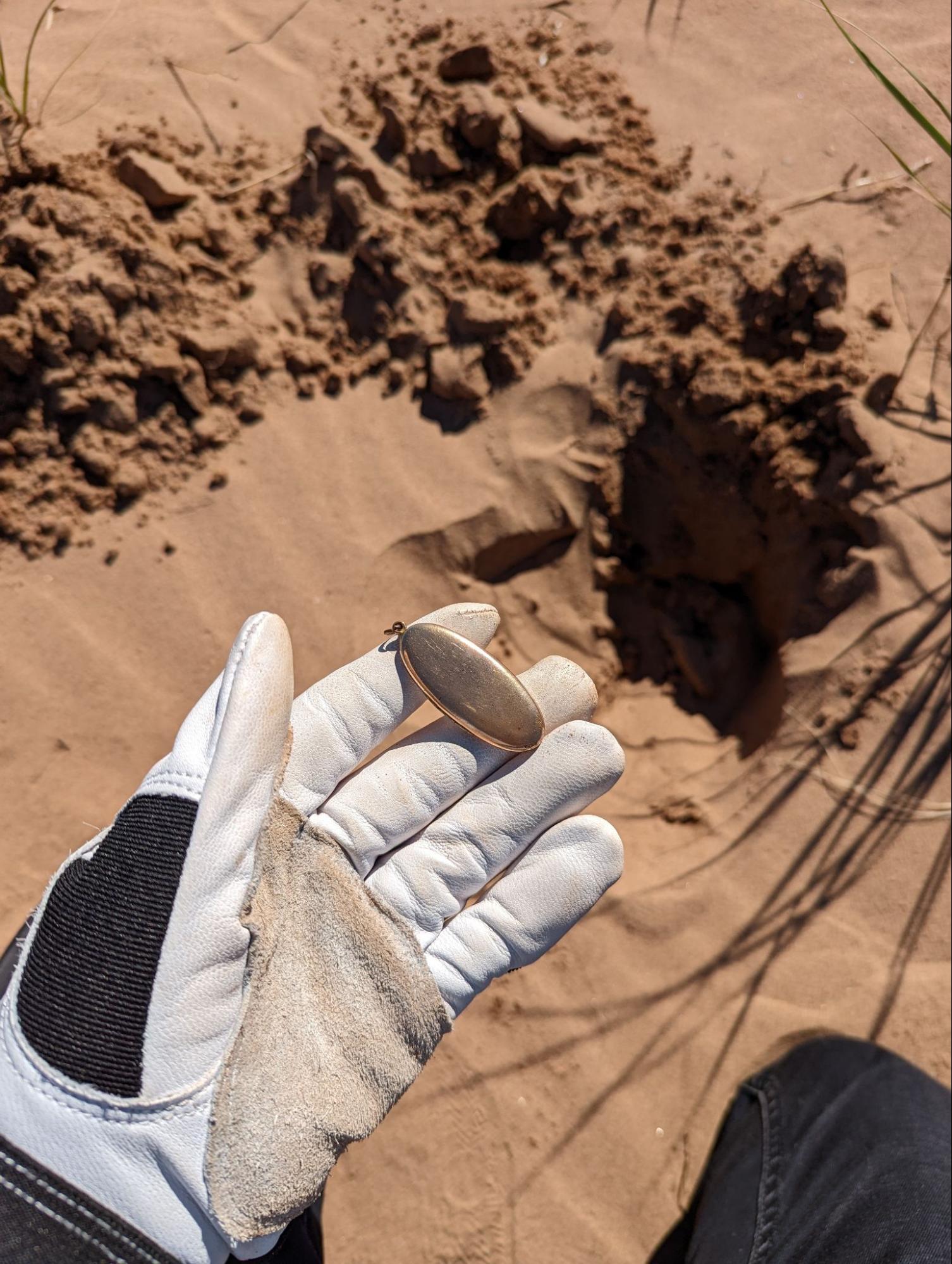
There is a Facebook group called PEI Lost & Found; I typically check it most mornings during the metal detecting season and reach out to anyone I think I can help. That’s where I read about a family from Ontario who visited a few summers ago. They visit here every summer, and their daughter chose a beach near Brander’s Pond to get married. Mom pinned a 100+-year-old family heirloom locket to the bride’s dress in the tradition of “something old, something new…” After the ceremony, the locket was gone. I met the mom at the site to get the lay of the land on a weeknight after work, but ran out of daylight and couldn’t search. I returned the following weekend and searched for about 2.5 hours before finding the locket. By then, they were on the road home but were overjoyed to receive the photos I texted them. Mom was happy to get her family heirloom back, and the bride was relieved. I really enjoy reuniting lost treasures. I imagine how devastated I would feel if I’d lost the item; it’s great motivation when doing a search.
Locarius sets out to be the friendlier, more compassionate option next to the global giants, and it's built here on PEI at a moment when a lot of Canadians are paying attention to where their software comes from. Is there a thread connecting that to giving up your weekends to return strangers' rings for free? Does it show up in how you build with AI?
We definitely want our customers to know we care about them and their business; we listen, we learn from them, and that makes the product better for everyone who uses it. When I do a recovery, I don’t ask for anything in return; it makes me feel great, and that’s payment enough. I’m not sure it necessarily shows up in how I build with AI, though I’ve built a few apps with people in mind, and I happily share them.
What are you building or learning right now, at work or on the side? And what's next for Locarius?
A recent presenter at AI Together introduced me to Claude in Chrome. I’m actively using that tool to create automated tests for Locarius testing. It’s like having a very articulate helper who navigates through the application, records and reports what it finds, and it will save me a lot of time on regression testing.
Our recent efforts in Locarius are setting us up to scale the size of the businesses that we appeal to – think mid-sized theatres or small arenas. These customers require more customer management tools, and we’re building that functionality.
You've watched a lot of people at AI Together go from curious to building. What do you say to the person who's convinced that making apps is something other people do?
If you can explain the problem, you can build the solution; the rest is just tools. Start with the smallest possible version of your idea, and iterate until it feels like your vision. You might be the only one who uses it, but if it makes your life easier or more enjoyable, it was worth doing.
Where can people find you and Locarius online? And if someone loses a ring on a PEI beach this summer, how do they reach you?
Locarius can be found here. If you are looking for something to do, or if you are planning an event, please check us out.
If you lose a ring on PEI, post a message to PEI Lost & Found on Facebook, and I’ll message you. Please do not provide too much detail when you post; not everyone who reads these posts has pure intentions. I’ll get the details when we connect via Messenger.